Inspect the equipment
Conduct visual and functional checks before use and identify defects or conditions that require reporting.
Learn how to inspect, position and operate a boom-type Mobile Elevating Work Platform through structured theory, practical exercises and competency assessment.
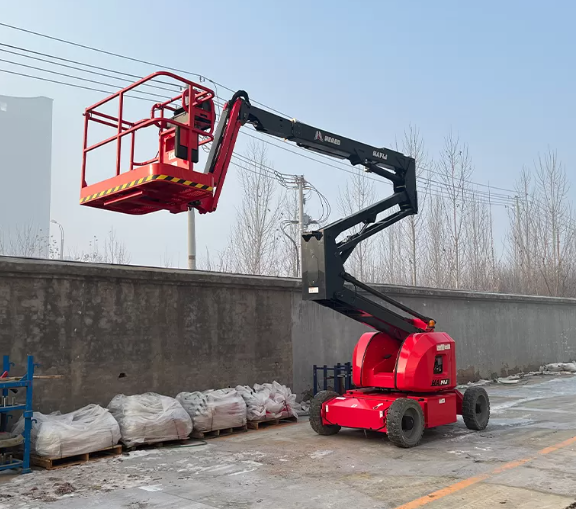
Boom lifts are used when workers need access to elevated or difficult-to-reach areas. Unlike a platform that moves only vertically, a boom lift may use a telescopic or articulated arm to provide both height and outreach.
This course is designed to develop practical operating competence. Participants learn how to perform checks, identify unsafe conditions, understand machine controls, position the platform and respond to abnormal or emergency situations.
The programme is relevant to workplaces such as construction sites, industrial facilities, warehouses, building maintenance operations, telecommunications work and event production environments.
Search engines, employers and equipment suppliers may use several related terms:
Review the course format before registering. The confirmed schedule, reporting instructions and participant requirements will be shown for the selected course run.
Participants should verify the entry requirements for the selected course run.
The course develops the knowledge and practical ability needed to prepare, operate and secure a boom-type MEWP safely.
Conduct visual and functional checks before use and identify defects or conditions that require reporting.
Recognise overhead, ground, access, traffic, weather and work-area hazards that may affect safe operation.
Become familiar with platform and ground controls, safety devices, alarms and emergency functions.
Practise controlled travelling, elevation, outreach, positioning and platform movement under supervision.
Follow workplace controls relating to access, communication, platform loading and fall protection.
Understand shutdown, lowering, isolation, reporting and emergency-response procedures relevant to the machine.
Both are Mobile Elevating Work Platforms, but their movement, reach and common applications differ.
| Feature | Boom lift | Scissor lift |
|---|---|---|
| Primary movement | Vertical and horizontal outreach | Primarily vertical elevation |
| Lifting mechanism | Telescopic or articulated boom arm | Crossed scissor mechanism |
| Platform characteristics | Usually smaller and designed for access | Usually larger with more working space |
| Typical use | Reaching over obstacles, facades, structures and difficult access points | Vertical access for installation, maintenance, warehousing and indoor work |
| Operator training | Must match the equipment category and workplace requirements | Must match the equipment category and workplace requirements |
Review learning objectives, responsibilities, equipment categories and safety expectations.
Learn equipment components, hazards, operating principles, inspections and emergency actions.
Perform checks and practise operating the boom lift under an instructor’s supervision.
Complete the applicable knowledge and practical competency assessments.
The course is suitable for workers whose duties require access to elevated or difficult-to-reach work areas.
Training is structured around the tasks an operator must perform before, during and after equipment use.
Participants receive explanations, demonstrations, feedback and supervised practice.
Practical activities connect equipment controls and procedures to realistic workplace situations.
Training explains why controls are required, rather than teaching operating steps in isolation.
Participants practise observable tasks and receive feedback before assessment.
Clear answers to common questions about boom lift and MEWP operator training in Singapore.
Review the available course runs, select a suitable date and complete your registration through the AAT Training Hub enrolment system.